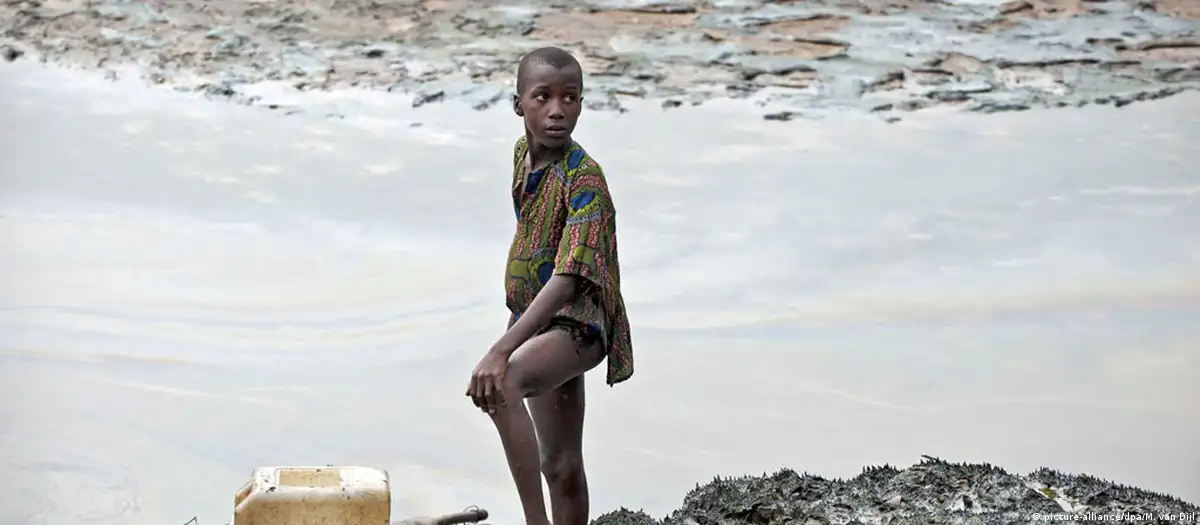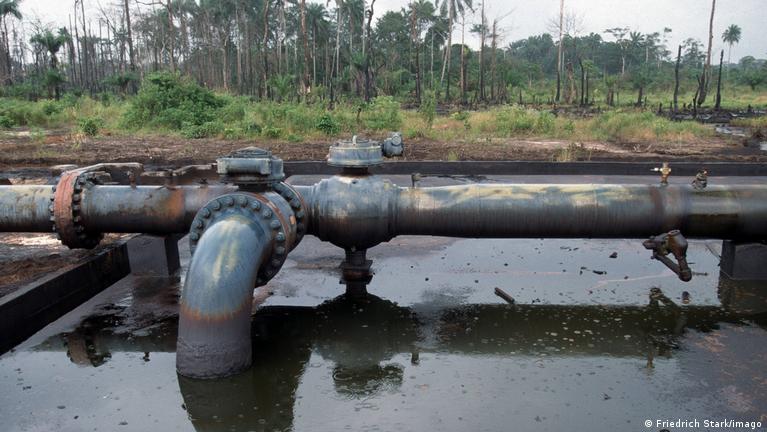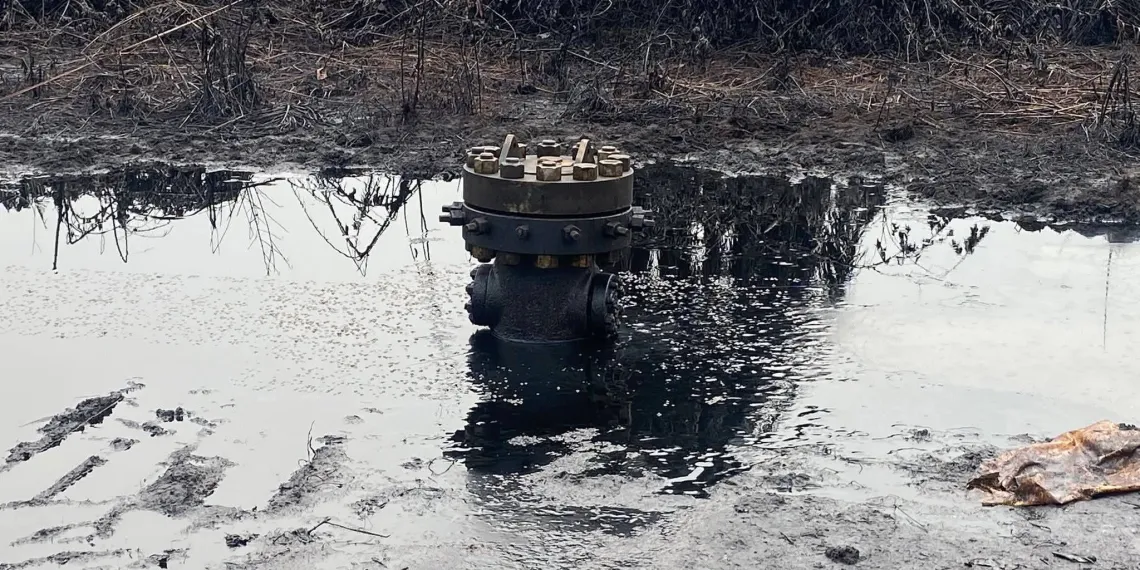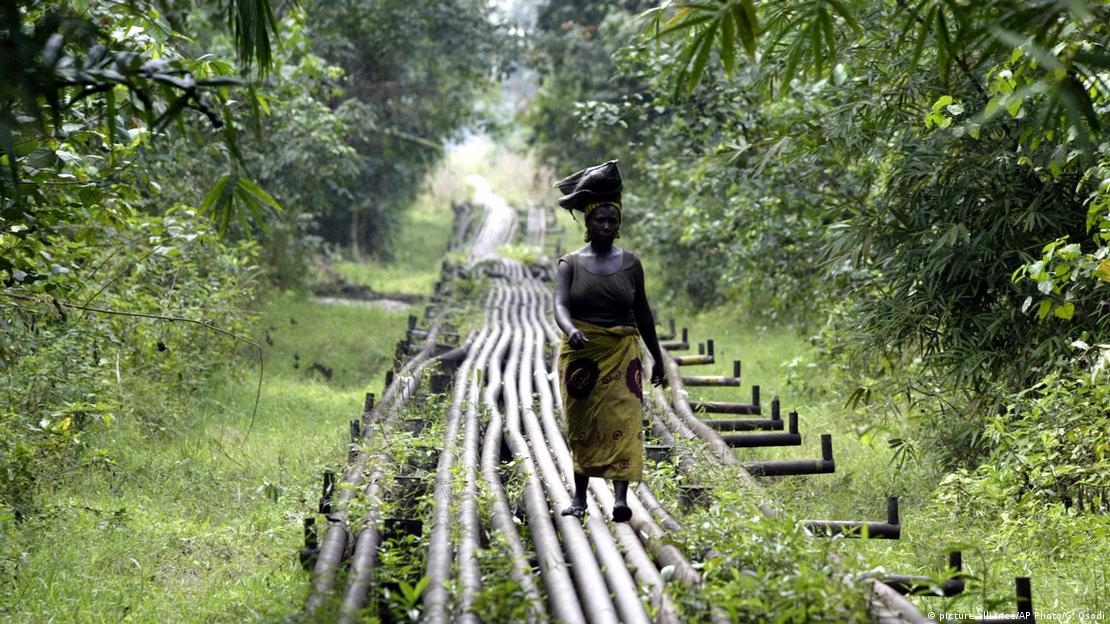
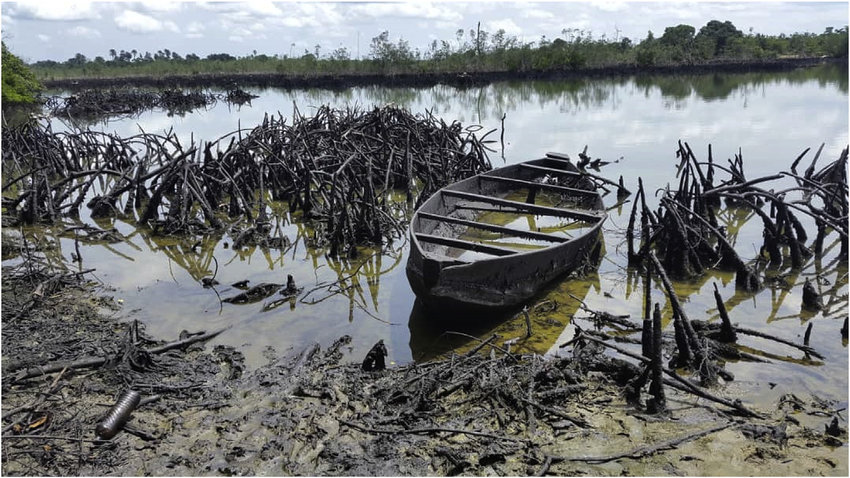

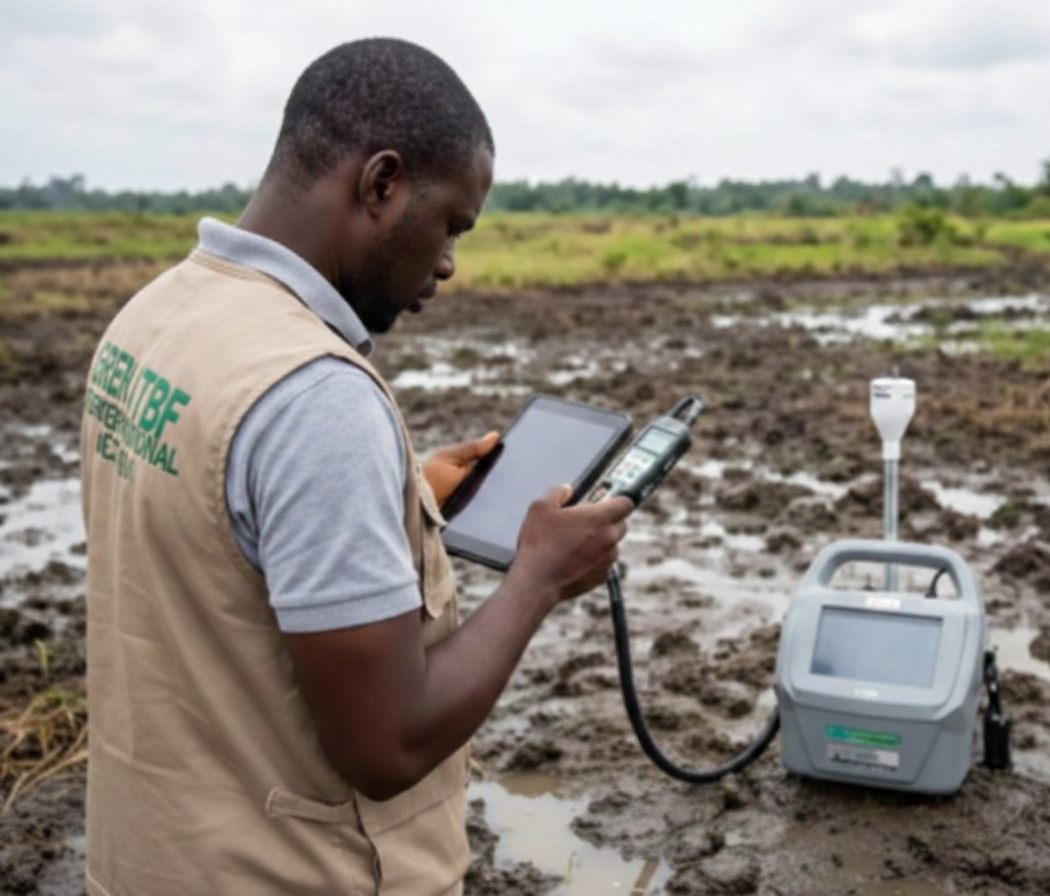
To protect communities and ecosystems in the Niger Delta and beyond through rigorous scientific research, advanced environmental modelling, and evidence-based policy advocacy. We ensure that the tools of science serve the people most affected by industrial environmental harm.
A Niger Delta, and a world, where industrial progress and environmental safety are not in conflict. Where every community has access to clean water, clean air, and the scientific evidence to hold polluters accountable. Where research drives policy, and policy protects people.
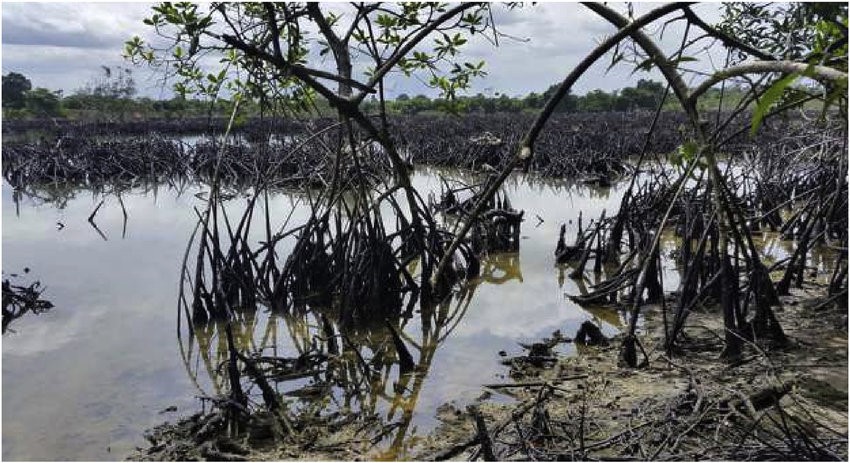
The Niger Delta’s ecosystems are not expendable. We treat every river, mangrove forest, and hectare of farmland as a resource worth protecting, with the same scientific precision that industry uses to extract from them.
Every claim we make, recommendation we publish, and policy brief is backed by verifiable data, peer-reviewed methodologies, and internationally recognised standards.
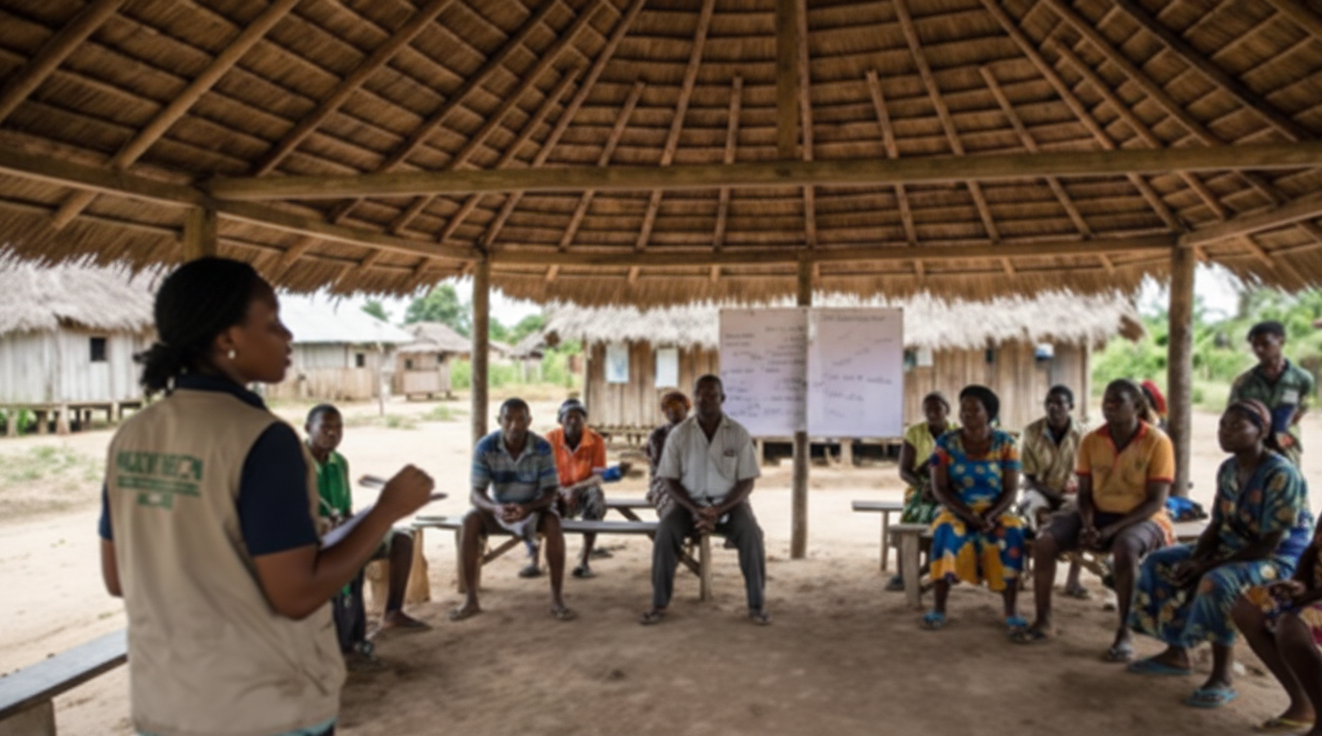
We turn complex environmental data into actionable tools for communities through workshops, educational guides, and public campaigns, helping them advocate with real evidence.
We hold industry, government, and ourselves accountable. Research methods are open, impact claims verifiable, and finances reported clearly. Trust is earned through transparency.
We partner with academic institutions, government agencies, international development bodies, and local communities. Lasting change requires collective action.
We apply creative thinking and advanced tools — from renewable energy integration to machine learning — to anticipate environmental trends and solve complex challenges.
Research. Policy. Environmental Transformation.
Predictive toxicology research on Niger Delta pollutants.
$10,000 seed funding secured. MODFLOW contaminant modelling launched.
Leadership growth, mentorship launch, peer-reviewed publications.
£120,000 collaborative research. 2,400 tonnes CO₂ identified.
£1M government funding redirected. 60% research growth.
Interactive dashboards & multilingual digital education.
Research Funding (£)
Tonnes CO₂ Identified
% Research Growth
Peer-Reviewed Publications

Director at the Tirzah Breed Foundation
Computational Environmental Scientist and Research Director at the Tirzah Breed Foundation, where he leads research at the intersection of machine learning, environmental toxicology, and pollution control.

Chief Innovation & Programs Officer (CIPO)
Operations Research, Green Supply Chain, Python Optimisation, Sustainable Procurement, Corrosion Engineering

Senior Researcher — Policy Analyst
Mixed-Methods Research, Policy Analysis, M&E Frameworks, Stakeholder Engagement, Statistical Analysis (SPSS, R).
Dr Azeez Lamidi Olamide is a Computational Environmental Scientist and Research Director at the Tirzah Breed Foundation, where he leads research at the intersection of machine learning, environmental toxicology, and pollution control.
His work helps communities in the Niger Delta and other pollution-affected regions by building predictive models and decision-support tools for groundwater contaminant transport, environmental risk assessment, and sustainable energy integration. He holds a PhD in Computational Environmental Science, and an MBA from the Metropolitan School of Business and Management, UK.
Dr Olamide serves as peer reviewer for over 12 international journals, holds editorial board membership across four, and was named Reviewer of the Year 2024 by the Global Journal of Engineering and Technology. He has presented at many international conferences and his expertise has been featured in ThisDay, The Sun, Daily Trust, Pulse Nigeria, The Independent, and New Telegraph.

Gbenga Olumide Omoegun is a Senior Operations Research Engineer and the Chief Innovation and Programs Officer (CIPO) at Tirzah Breed Foundation. With over a decade of experience spanning metallurgical engineering, logistics systems, and sustainable procurement, he leads the foundation's applied research on supply chain transformation and environmental impact reduction across energy-dependent industries.
Gbenga holds dual Master's degrees in Logistics and Supply Chain Management from Sheffield Hallam University (UK) and Bells University of Technology (Nigeria), alongside a Bachelor's in Metallurgical and Materials Engineering from the Federal University of Technology Akure. His work at the foundation has included designing a green procurement framework now adopted by three partner organisations, building a Python-based logistics model that identified an estimated 2,400 tonnes of excess CO₂ annually across 12 oil and gas supply corridors, and securing $120,000 in collaborative research funding from TetFund.
He has published multiple peer-reviewed papers on sustainable spend analytics, ERP-integrated logistics, and contract lifecycle management, and has mentored eight early-career researchers through the foundation's quantitative methods training programme. He is a member of the Chartered Institute of Procurement and Supply (CIPS) and the International Association of Engineers (IAENG).
Peace Isiekwu (Msc, Bsc) is an accomplished Senior Researcher with over five years of experience leading evidence-based research initiatives and interdisciplinary teams. She specializes in translating complex data into actionable insights to drive social outcomes and inform policy and practice. Her work is characterized by a commitment to rigorous, ethical research and the advancement of social development.
Currently serving as a Senior Researcher and Policy Analyst at the Tirzah Breed Foundation, Peace leads initiatives focused on community development and healthcare delivery for underserved populations.
Our Board of Directors and Advisory Council provide strategic leadership, governance oversight, and institutional guidance to ensure that the foundation’s mission and research initiatives maintain the highest standards of impact and integrity.
We collaborate with academic institutions, research bodies, policy organisations, and international development partners to advance evidence-based environmental solutions.
Tirzah Breed Foundation
RC-143519
Nigeria
Corporate Affairs Commission (CAC), Nigeria
Incorporated Trustees / NGO
23, Omo Oba Ahohola Street,off Jakande Estate, Isheri-oshun. Lagos
Stay updated on our latest research and community programmes.